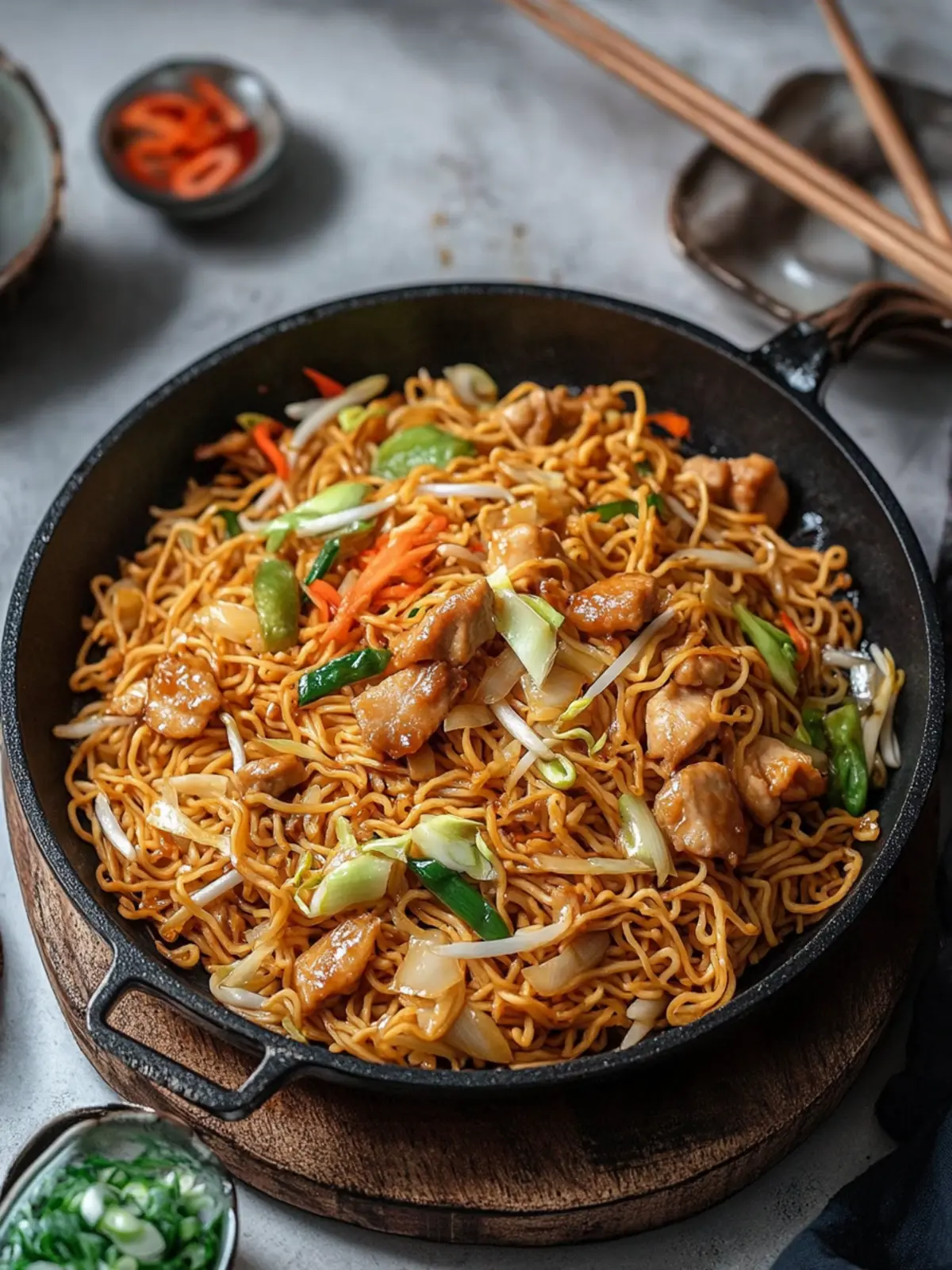
Unlock Takeout Flavor: High-Heat Secrets for Perfect Chicken Chow Mein
The enticing aroma of savory noodles, tender chicken, and crisp vegetables – that's the magic of a perfectly executed chicken chow mein. For many of us, this beloved dish is synonymous with our favorite Chinese takeout joint, a quick call away for a burst of flavor and comfort. Yet, there’s a common frustration: replicating that authentic restaurant taste and texture at home often feels like chasing an elusive dream. You try, but the noodles turn mushy, the vegetables go limp, and the chicken lacks that silky tenderness. What's the secret ingredient? It's not a rare spice or a complex technique, but rather a mastery of high-heat cooking and strategic preparation.
Imagine ditching the waiting game and the potential for soggy delivery, creating a homemade chicken chow mein that’s not just faster than takeout, but genuinely superior in flavor and texture. This article will unveil the secrets, focusing on how high heat, combined with smart ingredient handling, can transform your home kitchen into a Chinese culinary powerhouse, delivering a dish that truly beats takeout every time.
The Secret Weapon: Unleashing "Wok Hei" at Home
At the heart of truly exceptional stir-fries lies a concept known as "wok hei" (鍋氣), often translated as the "breath of the wok." This isn't just poetic phrasing; it's the distinctive, smoky, slightly charred aroma and flavor imparted to food cooked rapidly at extremely high temperatures in a well-seasoned wok. It's the elusive quality that makes restaurant chow mein so utterly irresistible, and it’s precisely what most home cooks struggle to achieve.
The magic of wok hei comes from several factors: the intense heat of the wok vaporizing surface moisture, the flash caramelization of sugars, the rapid Maillard reaction browning proteins, and even the subtle charring of small food particles against the hot metal. This combination creates a complex depth of flavor that's impossible to get through slow, low-heat cooking. While a commercial wok burner offers extreme heat, you don't need one to unlock this essence at home. The key is to understand how to maximize the heat you *do* have.
Why High Heat Isn't Just for Woks
You might not have a dedicated wok burner that reaches volcanic temperatures, but your standard kitchen stovetop and a good pan can get you remarkably close. The secret lies in using a large, heavy-bottomed skillet – ideally cast iron or carbon steel – and preheating it thoroughly until it’s screaming hot. We're talking about reaching the smoke point of your cooking oil *before* any ingredients even touch the pan. This initial searing heat is crucial. If your pan isn't hot enough, ingredients will release their moisture, steam rather than sear, and you'll end up with a watery, bland stir-fry instead of crispy, flavor-packed chicken chow mein. Avoiding overcrowding the pan is equally vital; adding too much at once will instantly drop the temperature, preventing that desirable sear and leading to steamed, not stir-fried, results.
Beyond the Heat: Masterful Ingredient Prep and Technique
While high heat is non-negotiable, it’s only one piece of the puzzle. The way you prepare and handle your ingredients before they hit that scorching pan is equally critical for achieving that coveted takeout quality.
Velveting Your Chicken for Unrivaled Tenderness
Ever wonder how restaurant chicken in stir-fries remains so incredibly tender and juicy, even when cooked at high heat? The answer is "velveting." This quick, simple marinade is a game-changer. Thinly sliced chicken strips are coated with a mixture typically including cornstarch, soy sauce, a touch of oil, and sometimes an egg white or a splash of rice wine. The cornstarch forms a protective barrier around the chicken, shielding the delicate protein from the harsh, direct heat of the pan. This prevents it from seizing up and drying out, resulting in an incredibly silky, tender texture that melts in your mouth. Additionally, the velveting process helps the savory sauce cling beautifully to every piece of chicken, infusing it with flavor. For best results, slice your chicken thinly – aiming for bite-sized strips rather than chunks – as this allows for quicker cooking and better marinade absorption.
The Crispy Noodle Revelation: A Step You Can't Skip
Mushy noodles are the bane of homemade chow mein. The solution is simple yet revolutionary: searing your noodles. Before adding any other ingredients, par-cook your chosen stir-fry egg noodles, yakisoba, or even ramen until they're just al dente. Then, in your screaming-hot pan, press a portion of these drained noodles into a single layer and let them sear undisturbed for a minute or two until golden brown and slightly crispy. Flip them and repeat. This crucial step creates those delightful, restaurant-style crispy bits and a wonderfully springy texture that holds up beautifully to the sauce without turning into a sodden mess. For more in-depth guidance on perfecting your noodles and chicken, explore our related article:
Crispy Noodles, Tender Chicken: Your Flexible Homemade Chow Mein Guide.
Crisp Veggies, Not Soggy Sides
The vibrancy and crunch of chow mein vegetables are essential to its appeal. To achieve this, follow the "hot and fast" mantra. Cook your vegetables – whether it's crisp bell peppers, crunchy snap peas, earthy mushrooms, tender broccoli florets, or classic cabbage – in batches if necessary, keeping the heat high and the stir-fry constant. This technique rapidly cooks the exterior while maintaining a satisfying bite on the inside, preventing them from becoming limp and releasing excessive moisture, which would dilute your precious sauce. A critical pre-prep step is to ensure your vegetables are thoroughly dry before they hit the pan. Excess surface moisture, especially on ingredients like cabbage or bean sprouts, will instantly cool your pan and lead to steaming rather than searing.
The Art of the Sauce: From Scratch and Perfectly Thickened
While store-bought stir-fry sauces offer convenience, a homemade sauce elevates your chicken chow mein to an entirely new level of flavor. Crafting your sauce from scratch allows for customization and ensures a cleaner, fresher taste. A classic chow mein sauce typically combines soy sauce, oyster sauce (optional, for depth), sesame oil, a touch of sugar, and critically, cornstarch. The cornstarch acts as a thickener, creating that glossy, clingy texture that coats every noodle and piece of chicken and vegetable. A vital tip: cornstarch settles quickly in liquid, so *always* re-whisk your sauce vigorously right before adding it to the hot pan to ensure even thickening. If your finished dish seems too thick, a splash of broth or water can bring it back to that perfect, glossy consistency.
Your High-Heat Chow Mein Playbook: Actionable Tips for Success
Mastering chicken chow mein at home is all about efficiency and precision once the heat is on. Here’s a playbook of actionable tips to ensure your success:
* **Mise en Place is Your Best Friend:** Stir-fries move at lightning speed. Have *all* your ingredients prepped, chopped, measured, and within arm's reach before you even turn on the stove. This includes sliced chicken, chopped vegetables, mixed sauce, and par-cooked noodles.
* **Don't Crowd the Pan:** As mentioned, overcrowding drastically lowers the pan's temperature. Cook your chicken in batches if necessary, ensuring each piece gets proper searing and browning.
* **Thin Slices are Key:** For the chicken, thinner slices (aim for bite-sized strips) not only cook faster but also soak up more flavor from the velveting marinade and the final sauce.
* **Choose the Right Noodles:** Opt for fresh or dried stir-fry egg noodles, yakisoba noodles, or even par-cooked ramen. Avoid delicate pasta that can easily become mushy.
* **Dry Your Produce:** Patting down watery vegetables like cabbage or bean sprouts with a paper towel can make a significant difference, promoting searing over steaming.
* **Loosen the Sauce if Needed:** If your sauce thickens too much after combining all ingredients, don't panic. A small splash of chicken broth or even water can loosen it back to a beautiful, glossy consistency.
Customizing Your Culinary Canvas
One of the greatest joys of homemade chicken chow mein is its inherent flexibility. While our focus is on achieving that authentic takeout flavor, this recipe is incredibly adaptable to your preferences and what you have on hand. Don't feel limited to a specific vegetable lineup; bell peppers, snap peas, mushrooms, broccoli, carrots, and even a bagged coleslaw mix all work wonderfully. You can also experiment with the protein, swapping chicken for shrimp, beef, or even tofu for a vegetarian option. Adjust the sauce to your liking – add a dash of chili garlic sauce for heat, a bit more sugar for sweetness, or extra oyster sauce for umami depth. This adaptable approach makes homemade chow mein a perfect weeknight meal, always ready to satisfy your cravings. For a recipe that promises speed and deliciousness, check out our guide on how to
Ditch Takeout: Easy Homemade Chicken Chow Mein in Under 30 Minutes.
The Ultimate Takeout Challenger: Your Own Kitchen
Armed with the knowledge of high-heat cooking, the secrets of velveting, and the art of searing noodles, you are now ready to tackle the ultimate chicken chow mein. No longer will you wonder about the magic behind your favorite takeout dish; you'll be creating it yourself, hot and fresh from your own skillet. The springy noodles, the crisp vegetables, the tender, saucy chicken – all perfectly balanced and bursting with flavor. Embrace the power of the high heat, prepare your ingredients diligently, and get ready to enjoy a homemade chicken chow mein experience that truly surpasses your wildest takeout dreams.