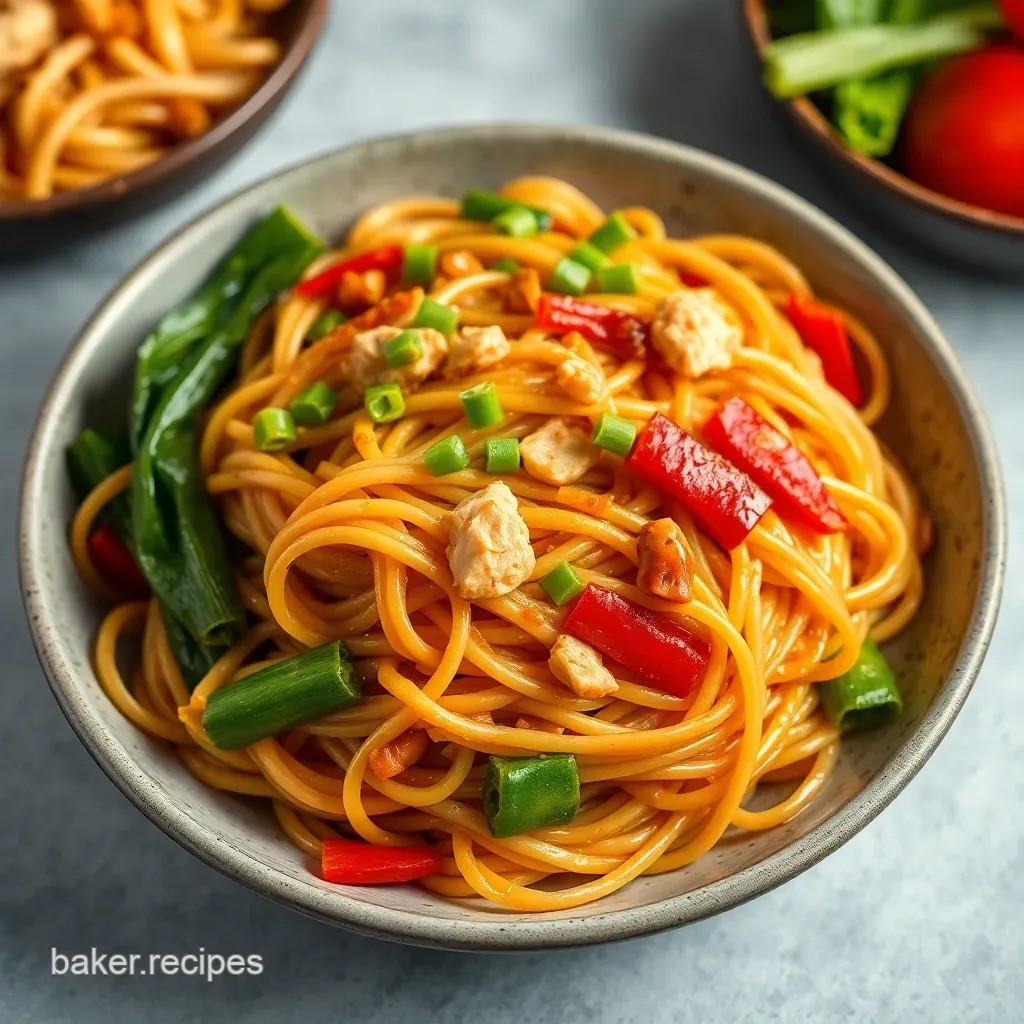
Ditch Takeout: Easy Homemade Chicken Chow Mein in Under 30 Minutes
The craving hits: that irresistible combination of savory noodles, tender chicken, and crisp vegetables bathed in a rich, umami sauce. For many, the immediate response is to reach for the phone and order takeout. But what if we told you that restaurant-quality
chicken chow mein isn't just achievable at home, but often surpasses its delivered counterpart in flavor and freshness – all in less time than it takes for the delivery driver to arrive? Get ready to transform your weeknights with a truly spectacular, homemade chicken chow mein that’s fast, flexible, and utterly delicious.
This isn't just another noodle stir-fry recipe; it's a deep dive into the techniques that elevate simple ingredients into an authentic Chinese American-style dish, reminiscent of your favorite local spot. We're skipping the bottled sauces and complicated steps, opting instead for a streamlined approach that delivers big on taste and texture, letting you customize every bite.
Why Homemade Chicken Chow Mein Reigns Supreme
Forget soggy noodles and lukewarm containers. Crafting your own
chicken chow mein at home offers a multitude of advantages that make it the ultimate weeknight winner.
Faster Than Delivery, Fresher Than Takeout
From the moment your ingredients hit the pan to the first glorious bite, this recipe promises a journey from prep to plate in under 30 minutes. Think about it: no waiting on hold, no tracking your order, no battling traffic for pickup. You're in complete control of the timeline, ensuring that every strand of noodle and every piece of chicken is cooked to perfection and served piping hot. Beyond the speed, homemade means unparalleled freshness. You control the quality of your ingredients, ensuring vibrant vegetables and succulent chicken without any mystery additives. This translates to a meal that not only tastes better but also feels lighter and more wholesome.
Customization at Your Fingertips
One of the greatest joys of cooking at home is the freedom to tailor dishes to your exact preferences. Are you a fan of extra spicy? Want to load up on specific vegetables? Have dietary restrictions? Homemade
chicken chow mein offers endless possibilities. Unlike pre-packaged or restaurant versions, you dictate the balance of flavors, the variety of vegetables, and even the spice level, making it perfect for families with diverse tastes or those with specific dietary needs. It’s your kitchen, your rules, your perfect plate of noodles.
Unlocking Restaurant-Quality Texture and Flavor
The secret to truly outstanding
chicken chow mein lies in a few simple yet powerful techniques that mimic the mastery of professional kitchens. These steps aren't complicated, but they make all the difference in achieving that elusive takeout-level quality.
The Magic of Velveting: Silky-Tender Chicken Every Time
Ever wondered how restaurant chicken stir-fries manage to achieve such an incredibly tender, almost silky texture? The answer is often "velveting." This quick marinade involves coating thinly sliced chicken in a mixture that typically includes cornstarch, a bit of soy sauce, and sometimes a touch of oil or egg white. The cornstarch forms a protective barrier, preventing the chicken from drying out and ensuring it stays juicy even when cooked over high heat. It also contributes to that signature slippery-smooth mouthfeel. By investing just a few minutes in this step, you transform ordinary chicken breast or thigh into a luxurious component of your chow mein. Slice your chicken into uniform, bite-sized strips to ensure even cooking and maximum flavor absorption from the marinade.
High Heat for Crisp Veggies and "Wok Hei"
This is arguably the most crucial element in achieving authentic stir-fry excellence. High heat is non-negotiable. When vegetables are cooked hot and fast, they sear rather than steam, retaining their vibrant color and crisp-tender texture. This also helps prevent them from releasing too much water, which can dilute your sauce and make your noodles mushy. The intense heat also contributes to what Chinese chefs call "wok hei" – the smoky, slightly charred aroma and flavor that’s a hallmark of well-executed stir-fries. To harness this power, ensure your pan or wok is screaming hot before adding your ingredients, and avoid overcrowding it. Cooking in batches, especially with the chicken, allows each piece to sear beautifully instead of steaming in its own juices. To master this technique further, explore our guide on
Unlock Takeout Flavor: High-Heat Secrets for Perfect Chicken Chow Mein.
Searing for Springy, Golden Noodles
Mushy noodles are the bane of any stir-fry enthusiast. To prevent this culinary catastrophe and achieve that satisfying springy texture with golden, slightly crispy edges, a quick sear is essential. After cooking and draining your noodles, spread them out in the hot pan for a minute or two, allowing them to develop a light crispness before the sauce is added. This step not only adds a delightful textural contrast but also helps the noodles hold up better to the sauce, preventing them from becoming waterlogged. Pressing them lightly into the skillet encourages those coveted restaurant-style crispy bits that are so addictive.
Your Essential Blueprint for Weeknight Chow Mein Success
Crafting the perfect homemade
chicken chow mein is less about complex steps and more about smart preparation and execution. Here’s how to set yourself up for success.
Prep Like a Pro: The "Mise en Place" Advantage
Stir-fries move at lightning speed, so the golden rule is "mise en place" – everything in its place. Before you even turn on the heat, have all your ingredients prepped and organized. This means your chicken is sliced and marinated, vegetables are chopped, garlic and ginger are minced, noodles are cooked and drained, and your sauce is whisked and ready. This pre-cooking organization prevents frantic searching and ensures a smooth, stress-free cooking experience, allowing you to focus on the cooking process itself without interruption.
Noodle Know-How: Choosing the Right Base
The foundation of any great chow mein is the noodle. For an authentic experience, look for fresh or dried stir-fry egg noodles, yakisoba noodles, or even par-cooked ramen noodles. The key is to select a noodle that's designed to hold up to high heat and vigorous stirring. Always cook your noodles according to package directions until al dente, then drain them thoroughly. A quick rinse with cold water can prevent sticking and stop them from overcooking. If using fresh noodles, they may only need a quick boil or soak.
Sauce Secrets: Crafting Your Flavor Foundation
While bottled stir-fry sauces offer convenience, a homemade sauce allows for unparalleled flavor control. A classic
chicken chow mein sauce typically features soy sauce, oyster sauce (for umami depth), sesame oil, a touch of sugar, and often cornstarch for thickening. The cornstarch is crucial for achieving that glossy, clingy consistency that coats every noodle and vegetable. Remember to re-whisk your sauce just before adding it to the pan, as cornstarch tends to settle quickly. If your sauce thickens too much after everything is combined, a splash of broth or water can bring it back to the perfect, glossy consistency.
Smart Cooking Strategies: Batches, Heat, and Timing
*
Cook Chicken in Batches: To ensure proper browning and tenderness, avoid overcrowding the pan. Cook the marinated chicken in two or three batches, removing each to a separate plate before cooking the next.
*
Maintain High Heat: As discussed, keep your pan or wok screaming hot throughout the entire cooking process. This is vital for searing veggies and achieving "wok hei."
*
Don’t Skip the Noodle Sear: That quick minute or two of pressing the noodles into the hot pan makes a world of difference in texture.
*
Loosen if Needed: If your sauce becomes too thick as it cooks down, a tablespoon or two of chicken broth or water can quickly thin it out to a perfect glossy sheen.
Flexibility is Key: Customize Your Creation
One of the most appealing aspects of homemade
chicken chow mein is its incredible adaptability. It’s a fantastic way to use up whatever fresh produce you have on hand and truly make it your own.
Veggie Variety: What's in Your Crisper?
While cabbage, carrots, and bell peppers are classic chow mein additions, don’t be afraid to get creative. Bell peppers (any color!), snap peas, mushrooms, broccoli florets, snow peas, bok choy, or even a pre-bagged coleslaw mix (minus the dressing) all work beautifully. The key is to slice them thinly and uniformly so they cook quickly and evenly. Remember to dry your vegetables if they have excess moisture, especially leafy greens like cabbage or bean sprouts, as too much water can steam your stir-fry and dilute the sauce. This dish is great with a full lineup, but still totally worth making with just cabbage and carrots if that's what you have! For more ideas on how to adapt your chow mein, check out
Crispy Noodles, Tender Chicken: Your Flexible Homemade Chow Mein Guide.
Beyond Chicken: Protein Power-Ups
While our focus is on delicious
chicken chow mein, the principles of this recipe can be easily applied to other proteins. Shrimp, thinly sliced beef, pork, or even plant-based options like firm tofu or tempeh can be substituted for the chicken. Just remember to adjust cooking times accordingly and ensure any protein is sliced to a similar size for even cooking.
Your Weeknight Takeout Hero Awaits
Gone are the days of settling for mediocre takeout. With a few simple techniques, smart preparation, and less than 30 minutes, you can create a vibrant, flavorful, and incredibly satisfying plate of homemade
chicken chow mein that’s leaps and bounds above anything delivered to your door. From the silky-tender chicken to the crisp-tender vegetables and springy, golden noodles, every element comes together in a symphony of taste and texture. So, next time that chow mein craving strikes, ditch the phone, grab your skillet, and embark on a culinary adventure that promises to become a new favorite in your home. You’ll be amazed at what you can achieve!