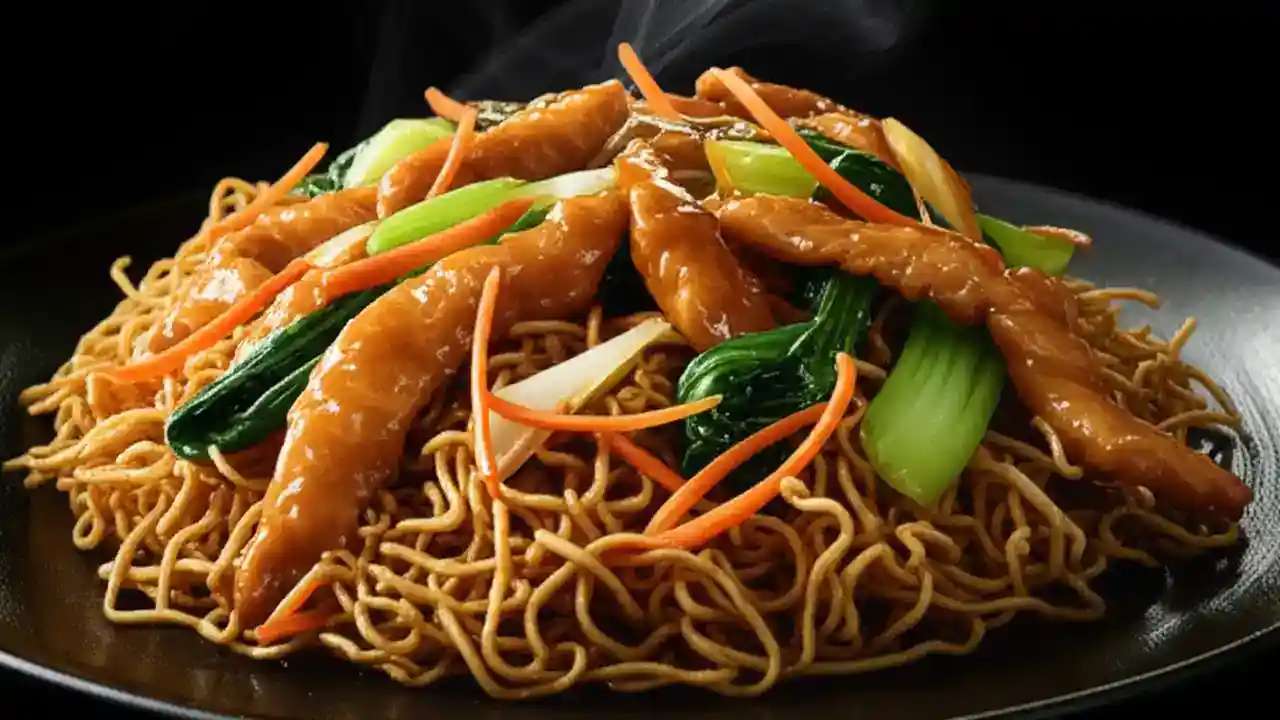
Crispy Noodles, Tender Chicken: Your Flexible Homemade Chow Mein Guide
Imagine a plate piled high with glistening, perfectly stir-fried noodles, tender slices of chicken, and an assortment of crisp, vibrant vegetables, all bathed in a savory, aromatic sauce. This isn't a fantasy from your favorite Chinese takeout menu; it's the delicious reality of homemade
chicken chow mein, crafted right in your own kitchen. Forget waiting on delivery or settling for soggy leftovers. This guide will empower you to create a Chinese-American style chow mein that rivals, and often surpasses, anything you can order out, all in less time than it takes to pick up the phone.
Our journey to the ultimate homemade
chicken chow mein is inspired by professional culinary techniques, focusing on fresh, from-scratch ingredients over pre-bottled shortcuts. The beauty lies in its simplicity and flexibility, allowing you to customize flavors and ingredients to your heart's content. Prepare to unlock a world of flavor and texture that will make this dish a regular in your weeknight rotation.
The Allure of Homemade: Why Your Kitchen Beats Takeout
The pursuit of the perfect chow mein often leads us to believe it requires elusive restaurant secrets. However, the truth is, with a few smart techniques and a dash of enthusiasm, your homemade version can shine brighter.
Faster Than Fumbling for the Phone
One of the most compelling reasons to make
chicken chow mein at home is sheer speed. From prep to plate, you can have a fresh, hot meal ready in under 30 minutes. This beats waiting for delivery and eliminates the disappointment of cold or compromised dishes. When you control the process, you control the clock – and the quality. If you're looking for quick satisfaction,
Ditch Takeout: Easy Homemade Chicken Chow Mein in Under 30 Minutes is your ultimate guide.
Unlocking Authentic Flavors: The Wok Hei Effect
Have you ever wondered about that distinct smoky, slightly charred aroma and flavor in restaurant stir-fries? That’s often attributed to
wok hei – the "breath of the wok." It's the result of intense heat rapidly cooking and caramelizing ingredients, imparting a depth of flavor that's hard to replicate on a standard stovetop. However, we can approximate this by using a large skillet or wok over
high heat. This crucial technique allows vegetables to sear quickly, retaining their crispness, and noodles to develop those coveted golden, crispy edges instead of turning mushy. Overcrowding your pan, or cooking at a medium temperature, will lead to steaming rather than searing, completely missing the mark on that desired texture. For a deeper dive into this vital technique, explore
Unlock Takeout Flavor: High-Heat Secrets for Perfect Chicken Chow Mein.
The Golden Rule: Mise en Place for Seamless Stir-Fries
Stir-fries move fast. Really fast. This means once you start cooking, there’s no time to chop vegetables, measure sauce ingredients, or hunt for noodles. The secret to a stress-free and successful stir-fry is
mise en place – having "everything in its place" before you even turn on the heat. This means all your vegetables are chopped, your chicken is sliced and marinated, your noodles are cooked and drained, and your sauce is whisked and ready to go. A properly prepped kitchen transforms a potentially chaotic cooking experience into a smooth, enjoyable one.
Mastering the Chow Mein Method: Techniques for Perfection
Great
chicken chow mein isn't just about ingredients; it's about how you treat them. These techniques elevate your dish from good to unforgettable.
Velveting Chicken: The Secret to Silky Tenderness
One of the hallmarks of restaurant-quality chicken in stir-fries is its incredible tenderness. This isn't magic; it's a technique called velveting. A quick marinade of chicken slices with a touch of cornstarch, soy sauce, and sometimes rice wine, forms a protective coating. When cooked, this coating helps the chicken retain moisture, resulting in a remarkably tender, silky texture that prevents it from drying out, even under high heat. Remember to slice your chicken thinly – aim for bite-sized strips, not chunky cubes – to ensure it cooks quickly and evenly, soaking up maximum flavor.
Crisp Vegetables, Vibrant Flavors
Nobody wants limp, watery vegetables in their chow mein. The key to maintaining their vibrant color and satisfying crunch is to cook them hot and fast. High heat sears the exterior, locking in moisture and nutrients while preventing them from releasing too much water into your noodles and sauce. Depending on your preference, you can cook them to be perfectly crisp-tender or with a slight char for added depth. Bell peppers, snap peas, mushrooms, broccoli florets, and especially cabbage or coleslaw mix are all fantastic choices that thrive under high-heat stir-frying.
The Noodle's Moment: Golden Edges, Not Mushy Middle
The noodles are the heart of chow mein, and they deserve their moment to shine. After boiling and draining (don't overcook them initially!), a crucial step is to give them a quick sear in the hot skillet. Pressing the noodles down into the pan allows them to develop those delightful golden, slightly crispy edges – a signature texture of authentic chow mein that prevents them from becoming a soft, mushy tangle once the sauce is added. For the best results, opt for fresh stir-fry egg noodles, yakisoba noodles, or even par-cooked ramen noodles.
Crafting Your Signature Sauce from Scratch
Ditch the bottled stir-fry sauces! Crafting your own sauce from scratch is surprisingly easy and allows for endless customization. A basic savory sauce typically involves soy sauce (light and/or dark for color), a touch of sugar for balance, rice vinegar for tang, sesame oil for aroma, and a cornstarch slurry for thickening. The cornstarch is vital for creating that glossy, clingy sauce that coats every strand of noodle and piece of chicken. Just remember a critical tip: cornstarch settles quickly, so always give your sauce a good re-whisk right before you add it to the pan to ensure even thickening.
Your Chow Mein, Your Canvas: Embracing Flexibility
One of the most liberating aspects of homemade
chicken chow mein is its inherent flexibility. This isn't a rigid recipe; it's a template for culinary creativity.
A Rainbow of Veggies
Don't have bell peppers? Use carrots and snow peas. Only have cabbage? That's perfectly fine! The beauty of chow mein is that it truly works with whatever stir-fry friendly vegetables you have on hand. Beyond the classic cabbage and carrots, consider adding:
- Bell peppers: For color and mild sweetness.
- Snap peas: For a crisp, sweet crunch.
- Mushrooms: For an earthy umami boost.
- Broccoli florets: For texture and vibrant green.
- Bean sprouts: Added at the very end for extra crispness.
- Bagged coleslaw mix: A fantastic shortcut for pre-shredded cabbage and carrots.
Just ensure any high-moisture vegetables like cabbage or bean sprouts are relatively dry before hitting the hot pan to prevent steaming and sauce dilution.
Noodle Versatility
While fresh egg noodles are traditional, your chow mein can adapt to various noodle types.
- Fresh Stir-Fry Egg Noodles: The gold standard for their chewiness and ability to crisp up.
- Yakisoba Noodles: Often found in the refrigerated section, these are a great substitute.
- Par-cooked Ramen Noodles: A convenient pantry staple that works surprisingly well.
- Dried Egg Noodles: Simply boil according to package directions before stir-frying.
The key is to not overcook them during the initial boil and ensure they are well-drained before searing.
Personalizing Your Sauce
The base sauce is a fantastic starting point, but feel free to tweak it to your taste.
- Add Heat: A dash of chili garlic sauce or sriracha for a spicy kick.
- More Umami: A splash of oyster sauce or a pinch of mushroom powder.
- Sweeter Profile: Adjust the sugar to your preference.
- Tangier: Increase the rice vinegar.
If your sauce thickens too much after everything is combined, a splash of chicken broth or even water can loosen it back to a glossy, desirable consistency. You can also make a larger batch of your go-to stir-fry sauce to keep on hand for quick meals throughout the week.
Pro Tips for Your Best Chicken Chow Mein
Beyond the core techniques, a few extra insights can make your
chicken chow mein truly spectacular.
- Cook Chicken in Batches: To avoid overcrowding and steaming, cook your velveted chicken in small batches until lightly browned. This ensures beautiful searing and even cooking.
- High Heat is Non-Negotiable: Remember the wok hei. Keep your pan smoking hot throughout the stir-frying process. This allows for quick searing, prevents ingredients from stewing, and helps the sauce cling perfectly.
- Prep Everything Ahead: We can't stress this enough. Stir-fries are a dance; having all your partners ready before the music starts is critical.
- Dry Your Veggies: Especially if using washed cabbage or sprouts, a quick pat-down can prevent excess moisture from cooling your pan and diluting your sauce.
- Don't Skip the Noodle Sear: This is what gives your chow mein that distinctive restaurant-style texture, offering those satisfying crispy bits.
- Taste and Adjust: Always taste your sauce before adding it, and then the finished dish. Adjust seasonings as needed – a pinch more salt, a dash more vinegar, or a touch of sugar can elevate the entire meal.
Conclusion
Homemade
chicken chow mein is more than just a meal; it's an experience. It’s the satisfaction of creating a dish that’s bursting with fresh flavors and varied textures – from the tender, velveted chicken to the crisp-tender vegetables and those irresistible golden, chewy noodles. By embracing the principles of high-heat cooking, meticulous preparation, and creative flexibility, you’ll discover that the best chow mein doesn't come in a takeout container; it comes hot and fresh from your own skillet. So, gather your ingredients, fire up your pan, and get ready to impress your taste buds with your very own crispy noodles, tender chicken masterpiece.